



Surgery-Specific Care Programs
-
Rhinoplasty

-
Facial Contouring

-
Facelift

-
Facial Contouring

& Facelift -
Breast Augmentation

-
Liposuction

-
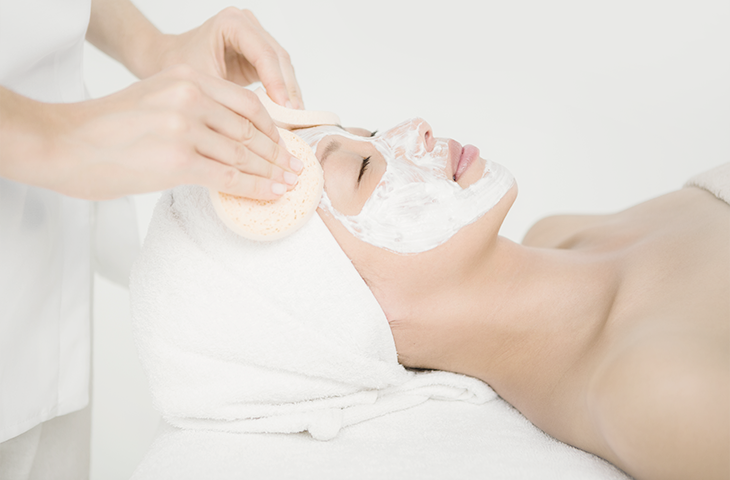
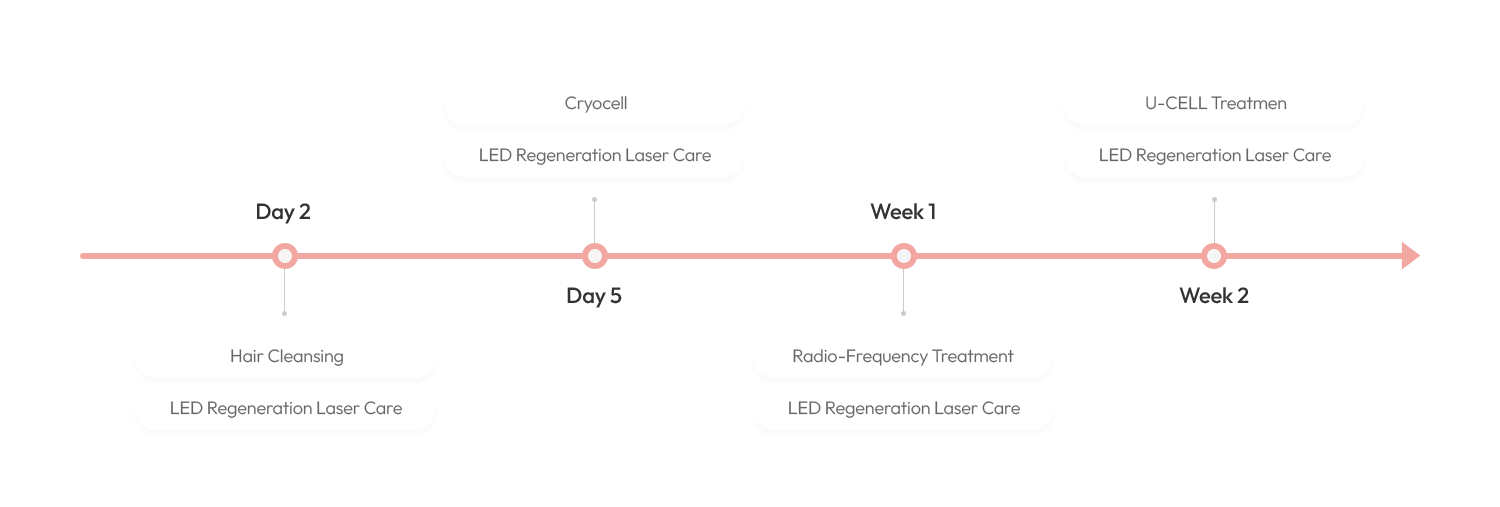
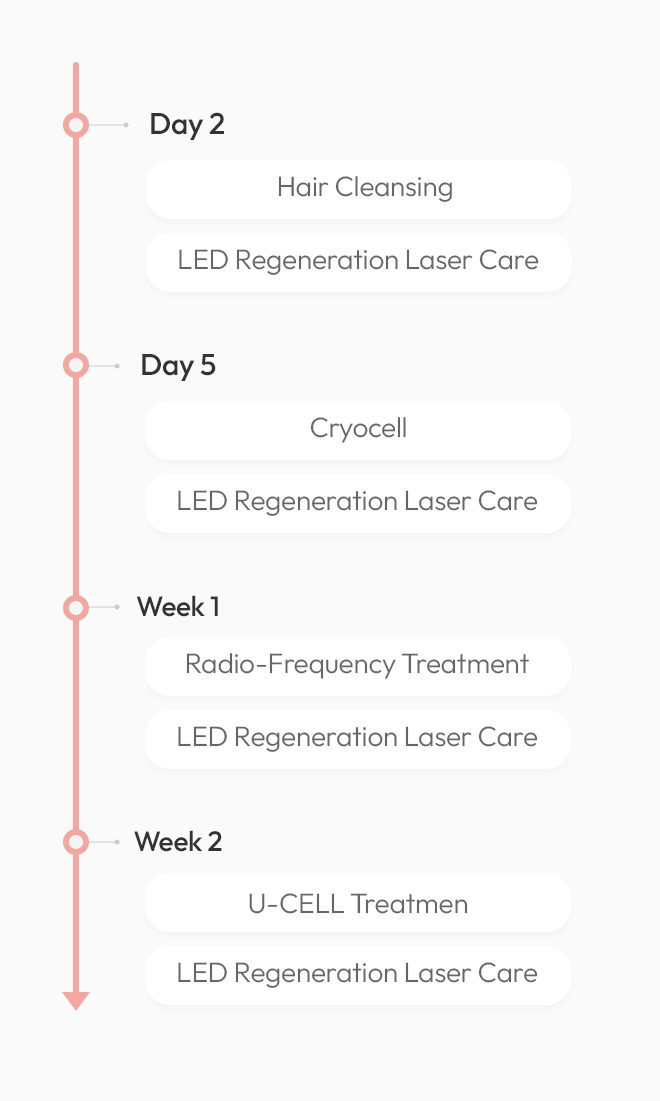
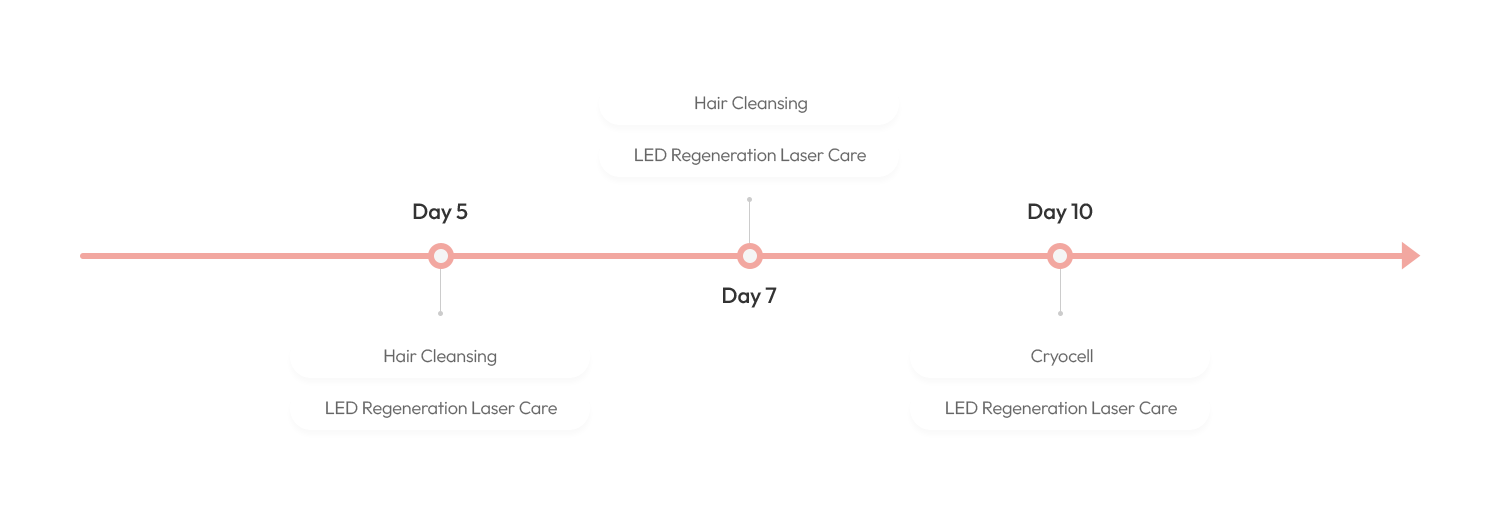
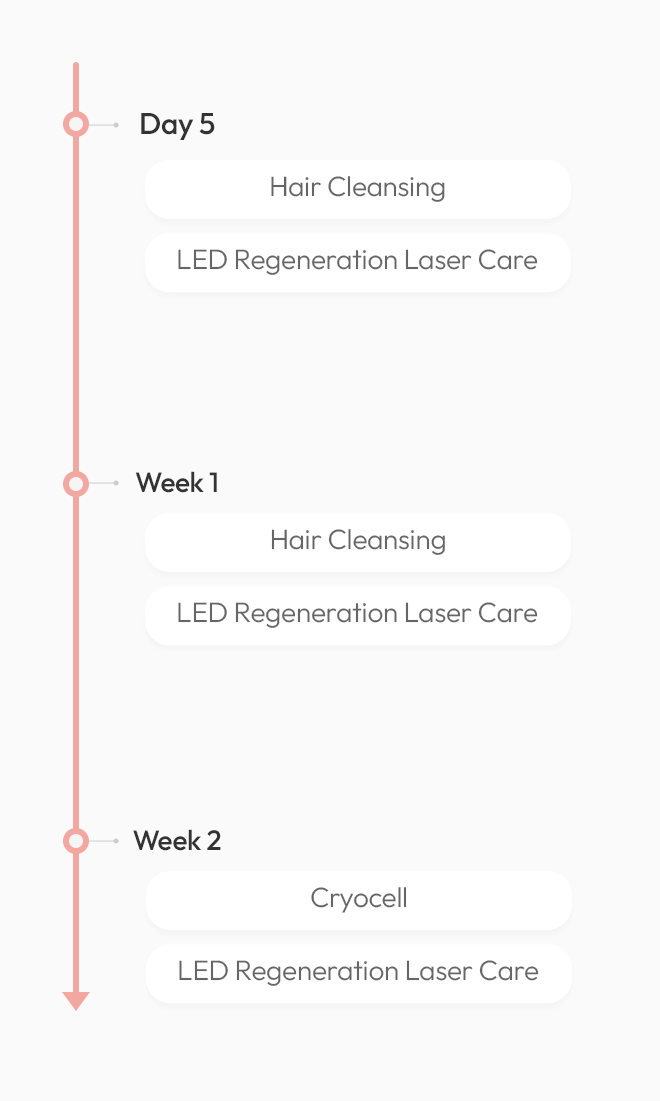
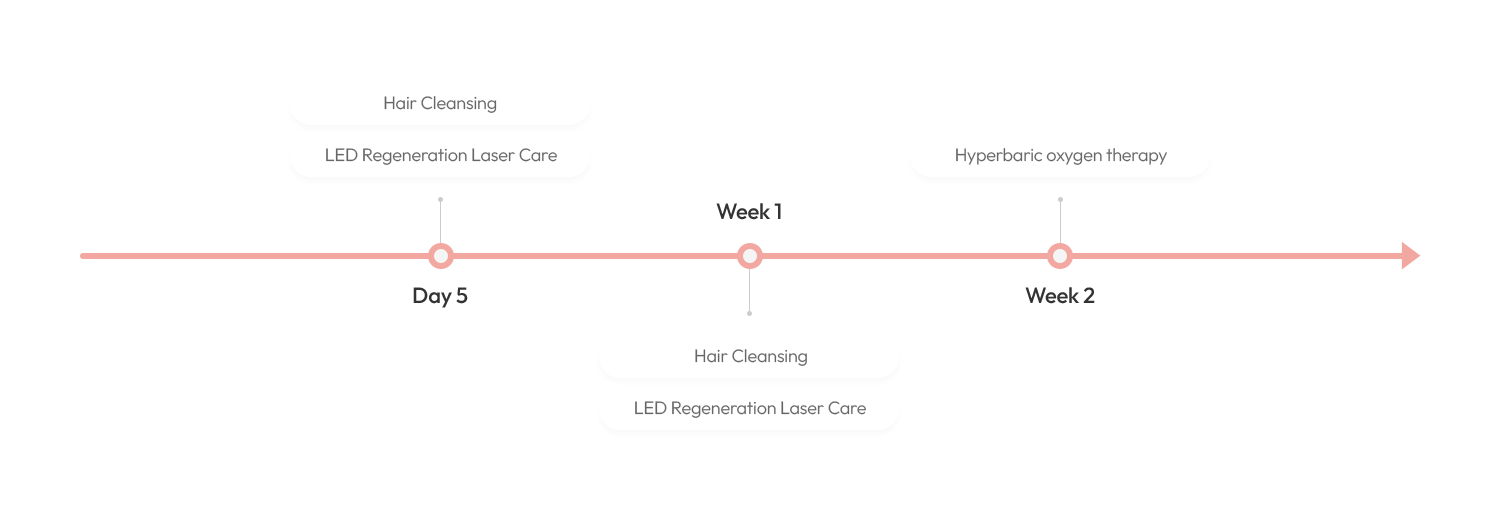
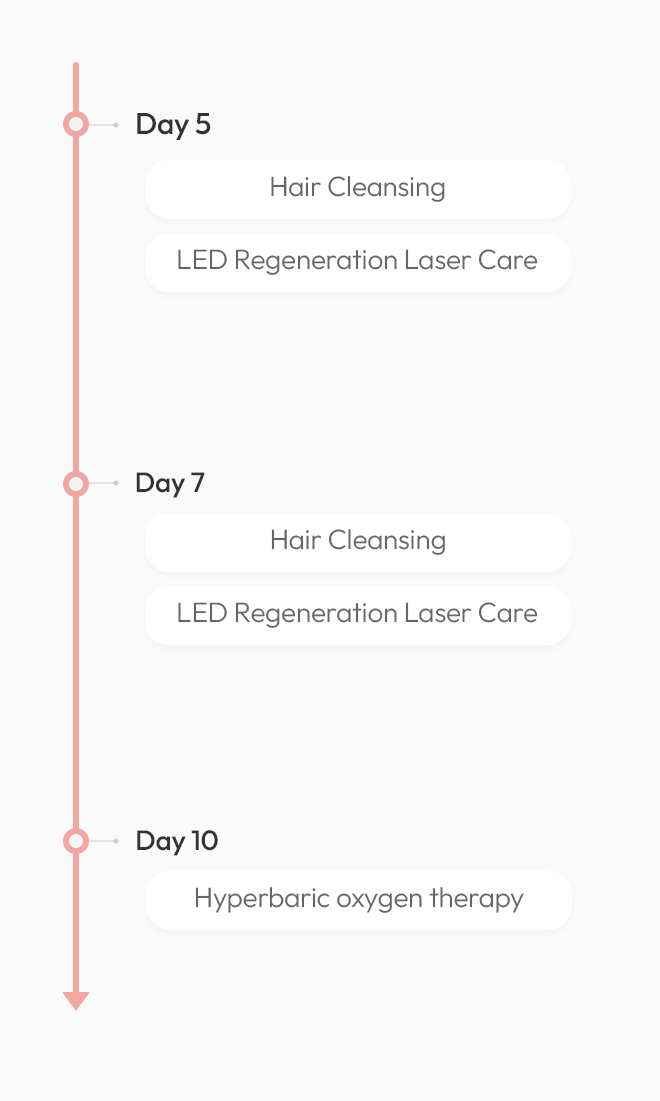
Deep Cleansing / Hair Cleansing
It is a treatment that removes sebum and dead skin cells that have accumulated after surgery. It's crucial to clean thoroughly without touching the surgical site.
-
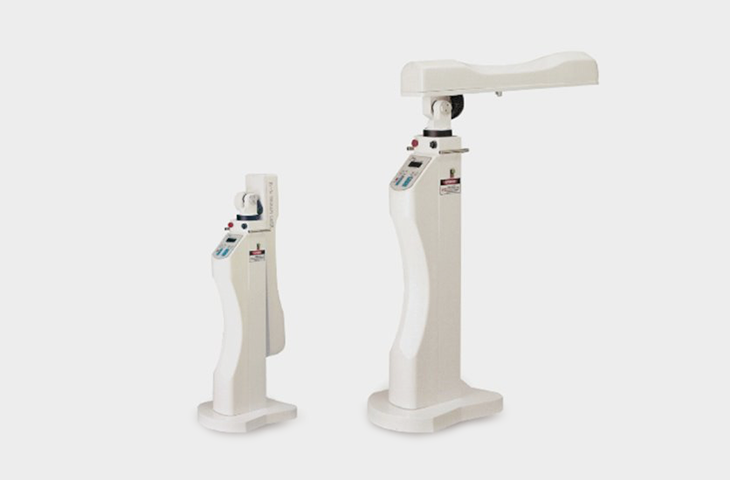
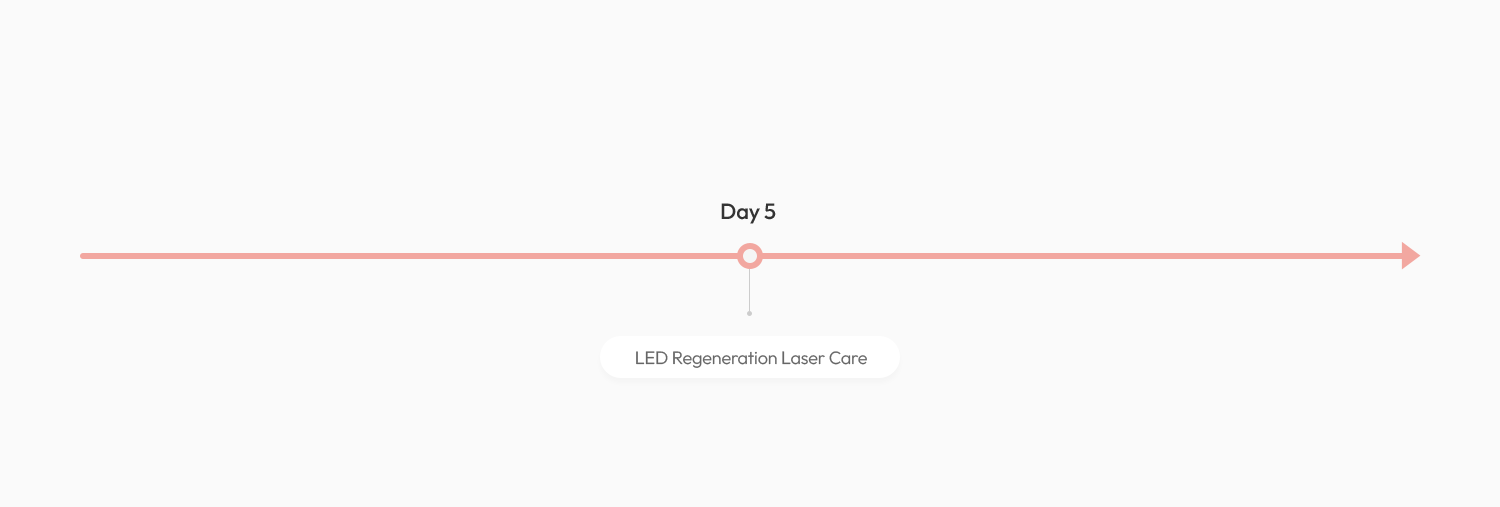
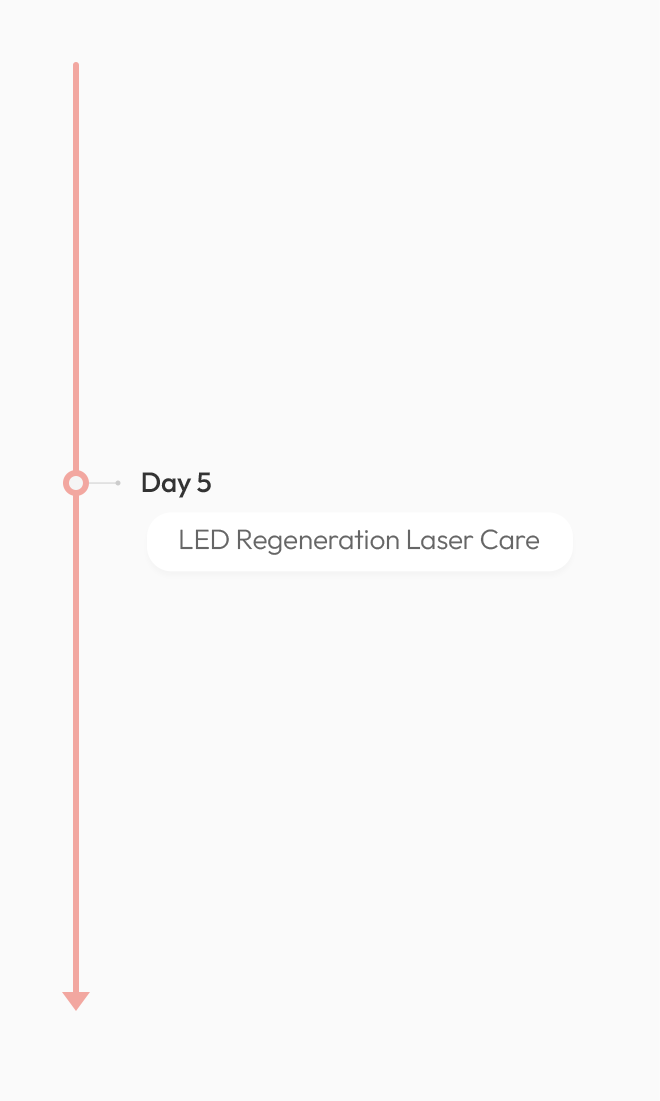
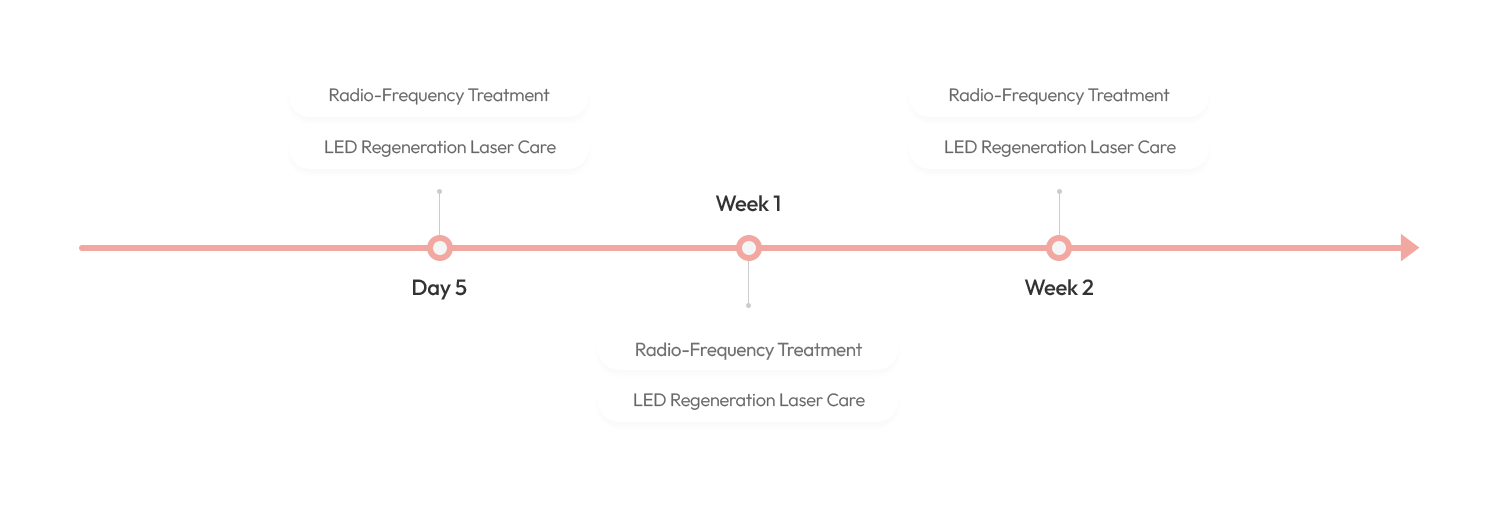
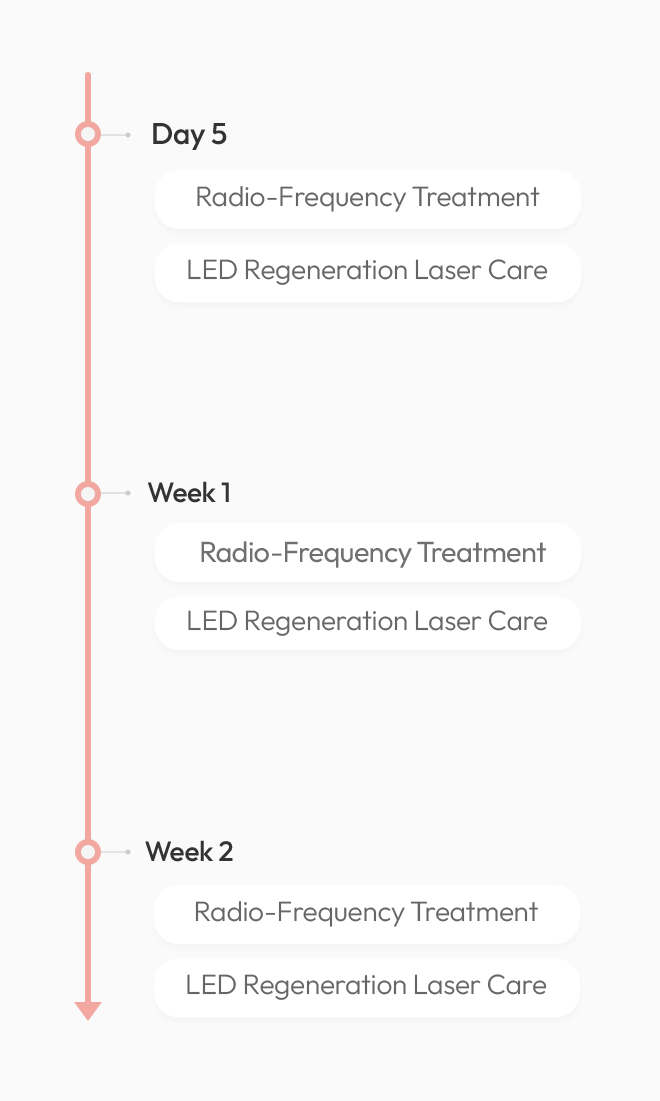
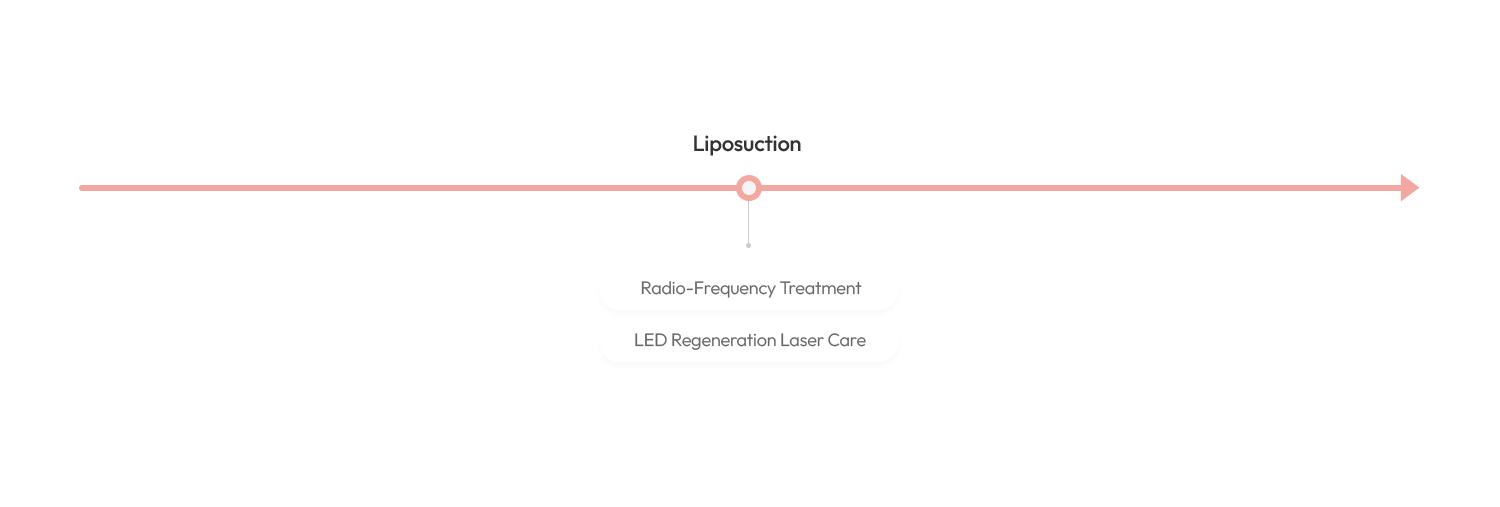
LED Regeneration Laser Care
It is a medical LED with a wavelength range useful for skin regeneration. The light energy that is absorbed by cells activates mitochondria and encourages cell regeneration. In addition, it boosts microcirculation and stimulates tissue activity, making it effective not only for regeneration but also for post-operative wound healing, anti-inflammatory action, and pain relief.
-
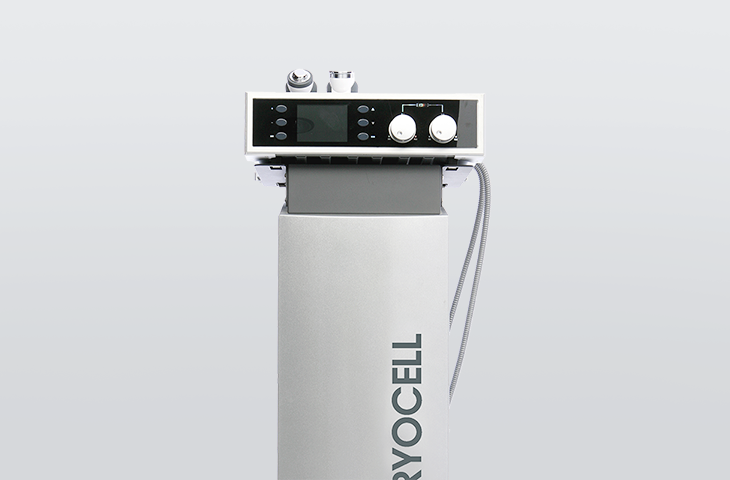
Cryocell
It is a treatment that maximizes drug penetration by freezing the skin surface with cryo-electrophoresis. It penetrates moisture into the skin to lessen the redness that follows surgical procedures and additionally helps with rapid skin regeneration.
-
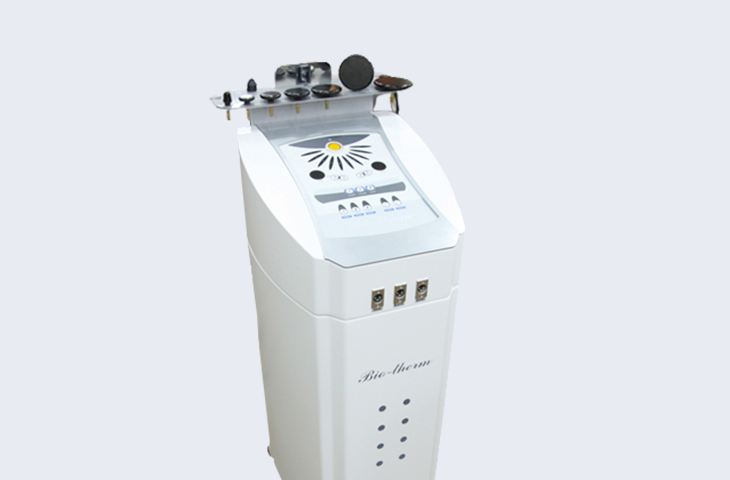
Radio-Frequency Treatment
To reduce postoperative swelling and bruising, waste products are discharged through lymphatic vessels. Furthermore, by arranging fibers evenly under the skin, it reduces skin roughness, improves skin softness and elasticity, and promotes collagen regeneration after surgery.
-
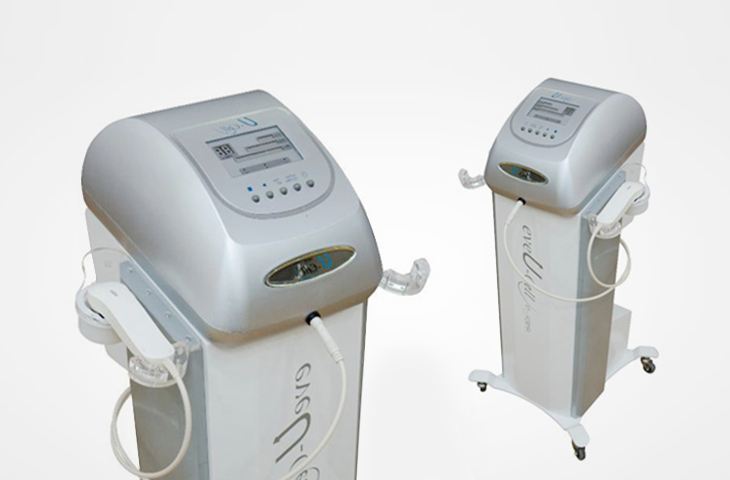
U-CELL Treatment
It is a new approach of skin care that simultaneously uses positive ion penetration and micro current vibration. It activates the protein and moisture molecules that make up cells, prevents aging, and speeds up metabolism by shaking cells 1 million times per second. It is effective in treating bruising and edema by preventing platelet clumping.
Self-Care
Swelling/Bruising
Follow your surgical team's procedure-specific instructions for swelling and bruising. Cold or warm compresses are not appropriate for every procedure, including fat grafting, unless your team specifically recommends them.
Cold Compress
Use cold compresses only if your surgical team recommends them for your procedure and treatment area. Follow the team's instructions on when to start, how often to apply them, and how long each application should last. If instructed to use a cold pack, protect the skin with a clean covering and avoid direct contact with the surgical wound. Do not apply pressure to treated areas or allow dressings to become wet. Stop and contact the clinic if the skin becomes painful or irritated. After fat grafting, do not apply cold or warm compresses to grafted areas unless your surgical team has specifically instructed you to do so.
Warm Compress
Do not start warm compresses simply because a set number of days has passed. Ask your surgical team whether warmth is appropriate for your procedure and stage of healing, and follow their instructions. Procedure-specific wound care and fat grafting instructions take priority over this general information.
Precautions Following Surgery
Post-operative wound management
The most fundamental aspect of wound care is to keep the area around the wound clean at all times. Therefore, the wound dressing must be replaced properly. In fact, depending on the scar or the surgical method used, this part may vary, so you must follow the medical staff's instructions. If antibiotic ointment or eye ointment is prescribed, use it 2-3 times per day as directed by the hospital.
Minimize irritation of the surgical site
It is advised to avoid stimulating the surgical site as much as possible until it has fully recovered.
Stimulation includes actions such as touching, moving, or exposing the surgical site to external stimuli.
Therefore, it is advised to stay away from hot, humid environments like saunas until the swelling subsides after surgery.
Furthermore, because the skin at the surgical site is vulnerable, it is important to prevent exposure to ultraviolet (UV) rays.
UV rays can slow healing, leave scars, and prevent skin from regenerating.
UV rays can inhibit your scar tissue from healing properly.
Even if the surgical site is fully recovered, it is advised that you limit your exposure to UV rays as much as you can
by wearing protective clothing, hats, sunscreen, and a parasol.
Post-Operative Care for International Patients
For international patients visiting Seoul, BRAUN Plastic Surgery provides post-operative care guidance after surgery, including recovery precautions, swelling and bruising care, wound management, and follow-up support based on each procedure.


6F–12F, BRAUN Plastic Surgery Building, 475 Gangnam-daero, Seocho-gu, Seoul, Republic of Korea
Office Hours
Mon -Fri : AM 10:00 - PM 7:00
Sat : AM 10:00 - PM 5:00